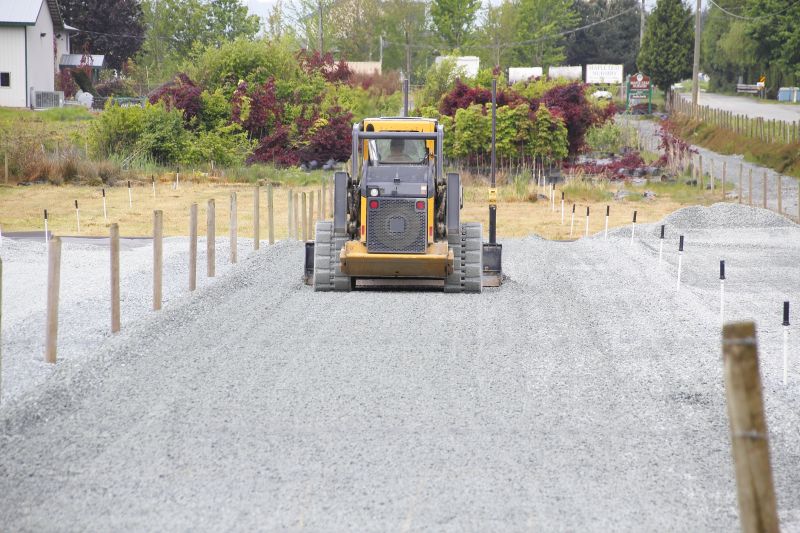
Driveway Leveling in Houston, TX
Driveway leveling services focus on correcting uneven or sloped driveways to create a smooth, safe, and functional surface. This process typically involves assessing the existing surface, identifying areas where the driveway has settled or developed low spots, and then applying appropriate techniques to restore a level appearance. Projects can include residential driveways made of concrete or asphalt, as well as other paving materials, and are often requested when homeowners notice cracks, pooling water, or an uneven surface that affects accessibility and curb appeal.
Property owners usually want to understand what causes driveway unevenness, such as soil settlement or drainage issues, and what methods are used to address these problems. Before requesting driveway leveling, it’s helpful to consider the extent of the unevenness, the age and material of the driveway, and any underlying issues that may need attention to prevent future settling. Proper evaluation and planning can ensure the driveway remains durable and maintains its appearance over time.
Many property owners in Houston, TX look into Driveway Leveling for repairs, replacements, upgrades, and appearance-related improvements.
Benefits Of Driveway Leveling
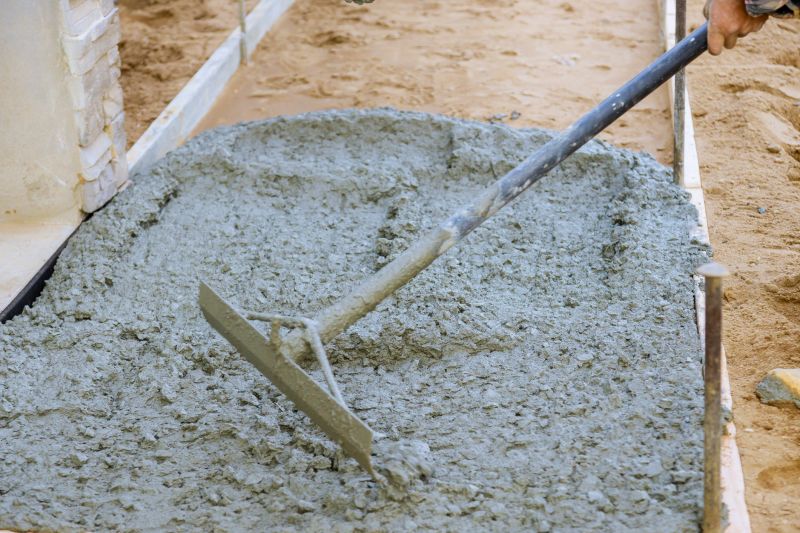
Proper driveway leveling enhances safety, drainage, and curb appeal for houston properties.
Common Driveway Issues
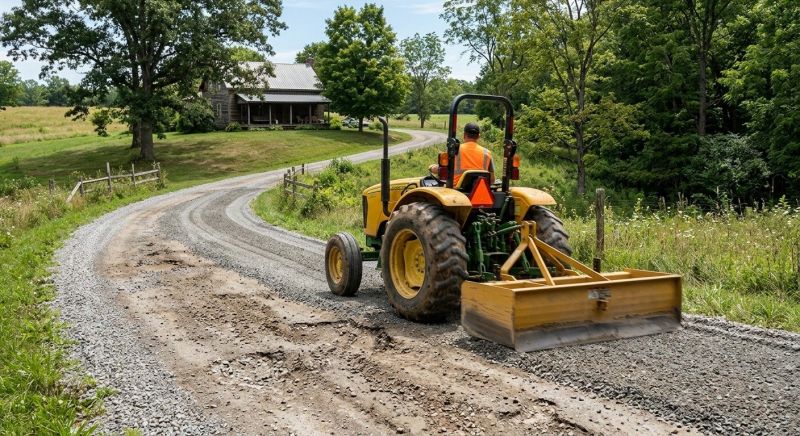
Uneven surfaces, cracks, and settling are typical problems that driveway leveling can address.
Ideal Projects For Driveway Leveling
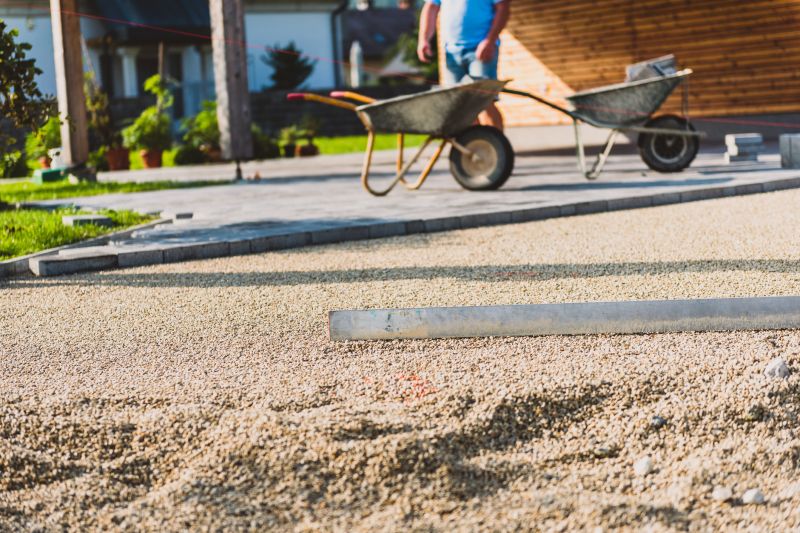
Driveway leveling is suitable for residential driveways with uneven surfaces or post-construction settling.
Driveway Leveling in Houston, TX

Driveway leveling services focus on correcting uneven or sloped driveways to create a smooth, safe, and functional surface. This process typically involves assessing the existing surface, identifying areas where the driveway has settled or developed low spots, and then applying appropriate techniques to restore a level appearance. Projects can include residential driveways made of concrete or asphalt, as well as other paving materials, and are often requested when homeowners notice cracks, pooling water, or an uneven surface that affects accessibility and curb appeal.
Property owners usually want to understand what causes driveway unevenness, such as soil settlement or drainage issues, and what methods are used to address these problems. Before requesting driveway leveling, it’s helpful to consider the extent of the unevenness, the age and material of the driveway, and any underlying issues that may need attention to prevent future settling. Proper evaluation and planning can ensure the driveway remains durable and maintains its appearance over time.
Many property owners in Houston, TX look into Driveway Leveling for repairs, replacements, upgrades, and appearance-related improvements.
Common Driveway Leveling Jobs
Driveway leveling - corrects uneven surfaces to improve safety and appearance.
Cracked driveway repair - addresses existing cracks caused by settling or shifting.
Slope correction - improves drainage to prevent water pooling and damage.
New driveway prep - ensures a level foundation before paving or sealing.
Settlement repair - stabilizes sunken areas caused by soil movement.
Uneven surface correction - creates a smoother, safer driveway for daily use.
Driveway Leveling Questions
What causes driveway unevenness? Driveway unevenness can result from soil settlement, tree roots, or poor initial grading over time.
How does driveway leveling improve property value? Leveling restores a smooth surface, enhancing curb appeal and reducing trip hazards, which can positively impact property value.
Is driveway leveling suitable for all driveway types? Driveway leveling is effective on concrete, asphalt, and gravel surfaces experiencing unevenness or cracks.
What signs indicate a need for driveway leveling? Noticeable cracks, pooling water, or uneven surfaces are common signs that driveway leveling may be required.
Request Driveway Leveling in Houston, TX
Use the quote form on this page to share the basics of your project and request more information for the type of work you need.